Skip to content
Sections
Industry

Industry

Industry coverage from the Netherlands, by Sophie de Vries.

Industry

ASML Shares Surge as Semiconductor Momentum Builds

via The Motley Fool

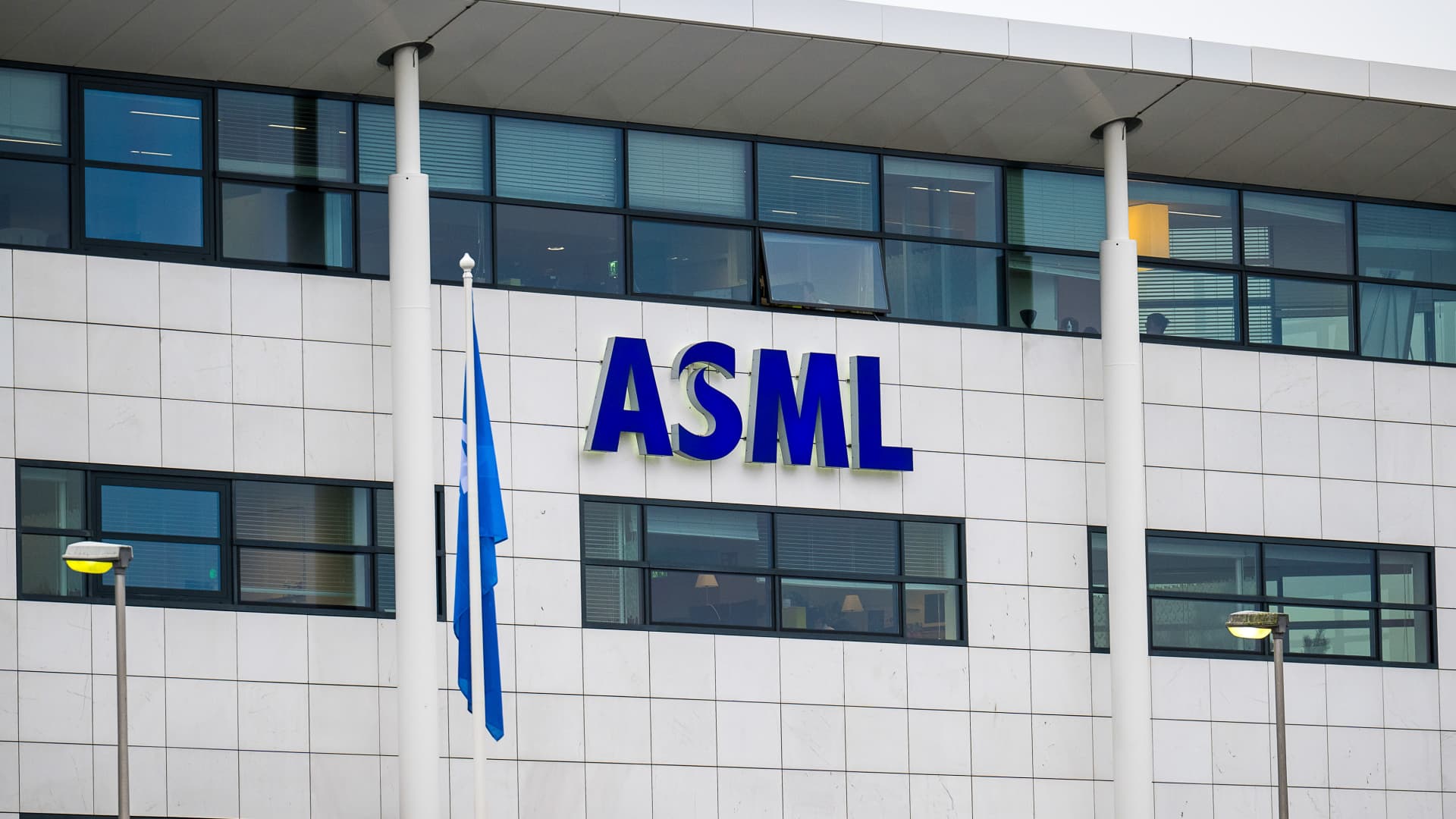
ASML stock jumped following positive market signals reinforcing demand for the Dutch chipmaker's extreme ultraviolet lithography machines. The Veldhoven-based company remains the sole global supplier of EUV systems, giving it unmatched pricing power in the semiconductor supply chain. Investor sentiment shifted bullish amid broader optimism around AI-driven chip demand.

AnalysisASML's stock performance is a direct proxy for global AI infrastructure investment — when the world builds more AI chips, it runs through Veldhoven first. A rising ASML is a rising tide for the entire Dutch deep-tech ecosystem, from supplier networks to engineering talent pipelines.

Industry

Dutch Workers Expect AI to Replace Their Tasks — And Aren't Losing Sleep Over It

via NL Times

A new survey finds nearly half of Dutch employees believe AI will take over significant portions of their work, yet the majority express little to no anxiety about the prospect. The findings suggest a notable gap between awareness of AI's workplace impact and emotional concern among the Netherlands' workforce. Specific sector breakdowns were not disclosed, but the trend cuts across industries.

AnalysisThis pragmatic acceptance of AI disruption is a quiet competitive advantage — a workforce that isn't paralysed by fear is one that can adapt and retrain faster, reinforcing the Netherlands' positioning as a pragmatic, business-ready AI talent hub in Europe.

Industry

Dutch Workers Shrug at AI Threat Despite Automation Fears

via NL Times

Nearly half of Dutch employees believe AI will take over significant parts of their work, according to new survey data. Despite this widespread awareness, the majority of respondents express little concern about the prospect, suggesting a notable gap between perceived disruption and personal anxiety.

AnalysisDutch workers' pragmatic acceptance of AI displacement — rather than resistance — signals a workforce psychologically primed for adaptation, a cultural asset that strengthens the Netherlands' case as Europe's preferred destination for AI-driven business operations.

Industry

Dutch Workers Unfazed as AI Eyes Half Their Tasks

via NL Times

Nearly half of Dutch employees believe AI could take over significant portions of their work, according to new survey data. Despite this awareness, relatively few workers express concern about the prospect, suggesting a pragmatic acceptance of AI's expanding role in the Dutch workplace.

AnalysisThis confidence gap — high AI awareness, low anxiety — positions the Netherlands as fertile ground for accelerated workplace AI adoption, and signals that Dutch employers may face less workforce resistance than counterparts elsewhere in Europe.

Industry

Europe's AI Sector Posts Strong Growth With Global Expansion in Sight

via Tech.eu

Europe's AI ecosystem is experiencing rapid expansion, with investment, talent, and startup activity all trending upward across the continent. The Tech.eu report highlights rising global ambitions among European AI firms as the region works to compete with US and Asian counterparts. Key growth indicators point to a maturing ecosystem increasingly capable of scaling beyond regional markets.

AnalysisFor the Netherlands, which has quietly built one of Europe's densest concentrations of AI talent and infrastructure, this continental momentum is a commercial tailwind — Dutch firms and scale-ups are well-positioned to ride the export wave if they move decisively on global market entry now.

Industry

Bloomberg: Europe Has a Narrow Window to Challenge Silicon Valley's AI Lead

via Bloomberg

Bloomberg argues that Europe faces a critical inflection point in the global AI race, with the continent's regulatory clarity, research talent, and industrial base potentially offering a credible alternative to US tech dominance. The piece frames current geopolitical and economic shifts as a rare opening for European AI ambition to translate into commercial scale.

AnalysisFor the Netherlands, this is precisely the moment to leverage Amsterdam's dense tech infrastructure and Dutch universities' AI research output — if policymakers and investors move fast enough to turn talent into homegrown champions rather than watching that talent migrate west.

Industry

ASML Shares Surge as Market Confidence in Chip Sector Rebounds

via The Motley Fool

ASML stock saw a notable single-day gain, drawing attention from investors tracking the semiconductor equipment sector. The Motley Fool attributed the pop to broader positive sentiment around chip demand and AI-driven hardware investment cycles. ASML, headquartered in Eindhoven, remains the world's sole manufacturer of extreme ultraviolet lithography machines critical to advanced chip production.

AnalysisASML's market movements are a direct proxy for global AI infrastructure investment appetite — when the Veldhoven giant rises, it signals sustained demand for the cutting-edge chips that underpin AI workloads, reinforcing the Netherlands' position as an irreplaceable node in the global AI supply chain.

Industry

ASML Valuation Debate: Underpriced Giant or Priced for Perfection?

via The Motley Fool

The Motley Fool argues that despite ASML's elevated stock price, the Dutch semiconductor equipment maker may still represent a bargain for long-term investors. The analysis points to ASML's near-monopoly on extreme ultraviolet lithography machines as a durable competitive moat. Demand for advanced chipmaking tools continues to rise as AI infrastructure buildout accelerates globally.

AnalysisASML's perceived undervaluation by major investment outlets reinforces the Netherlands' position as an irreplaceable node in the global AI supply chain — strong investor confidence here translates directly into R&D capacity and high-skilled job retention in Veldhoven and beyond.

Industry

ASML Valuation Under Scrutiny — But Long-Term Case Holds

via The Motley Fool

The Motley Fool argues that ASML shares are not cheap by conventional metrics, yet the company's near-monopoly on extreme ultraviolet lithography equipment and structural AI-driven chip demand may justify a premium. The analysis positions ASML as a long-term compounder despite near-term valuation concerns. No specific price targets are cited, but the piece frames current levels as a potential entry point for patient investors.

AnalysisASML's sustained investment appeal reinforces Veldhoven's status as an irreplaceable node in the global AI supply chain — strong institutional interest in the stock translates directly into R&D capacity and high-skill employment that anchors the Dutch tech corridor.

Industry

Dutch Workers Shrug Off AI Displacement Fears Despite High Awareness

via NL Times

Nearly half of Dutch employees believe AI will take over significant portions of their work, according to new survey data. Despite this awareness, the majority of workers express little concern about the prospect, suggesting a pragmatic acceptance of automation in the Dutch workforce.

AnalysisThis calm, eyes-open attitude toward AI adoption is a competitive asset — the Netherlands doesn't just have AI talent, it has a workforce culturally primed to integrate AI without the friction that slows transformation elsewhere in Europe.

Industry

Dutch Workers Shrug Off AI Disruption Fears Despite Job Automation Concerns

via NL Times

A new survey finds that nearly half of Dutch employees believe AI will take over significant portions of their work, yet the majority express little anxiety about this prospect. The data suggests a notable gap between awareness of AI's workplace impact and emotional concern about personal job security. The findings reflect a broader pattern of pragmatic acceptance among the Dutch workforce toward automation.

AnalysisThis confidence — whether well-founded or not — is a quiet competitive advantage: a workforce that adapts rather than resists is exactly the kind of talent base that makes the Netherlands an attractive destination for AI-driven companies scaling across Europe.

Industry

Dutch Workers Shrug Off AI Displacement Fears Despite Automation Awareness

via NL Times

Nearly half of Dutch employees believe AI will take over significant portions of their work, according to new survey data. Despite this awareness, the majority of workers express little concern about the prospect, suggesting a notably relaxed attitude toward workplace automation in the Netherlands.

AnalysisThis confidence gap — knowing AI is coming but not fearing it — reflects a workforce that may already be adapting pragmatically, a cultural asset that keeps the Netherlands competitive as an AI talent destination in Europe.

Industry

Dutch Workers Shrug Off AI Displacement Fears Despite High Automation Awareness

via NL Times

Nearly half of Dutch employees believe AI will eventually take over significant portions of their work, according to new survey data. Despite this awareness, the majority of workers express little anxiety about the prospect, suggesting a notably pragmatic attitude toward workplace automation in the Netherlands.

AnalysisThis calm acceptance of AI disruption is a double-edged signal for the Dutch ecosystem — it reduces friction for enterprise AI adoption, but complacency could slow the urgency to reskill workers before displacement actually hits.

Industry

Dutch Workers See AI Replacing Tasks — And Largely Shrug

via NL Times

Nearly half of Dutch employees believe AI will take over significant portions of their work, according to new survey data. Despite this widespread expectation, relatively few workers express serious concern about the development, suggesting a pragmatic acceptance rather than anxiety about automation.

AnalysisThis measured Dutch attitude toward AI displacement is a quiet competitive advantage — a workforce that adapts without panic is exactly the kind of talent base that attracts AI-forward employers and keeps the Netherlands relevant as a European implementation hub.

Industry

Dutch Workers Unbothered as AI Eyes Their Jobs, Survey Finds

via NL Times

Nearly half of Dutch employees believe AI will take over significant parts of their work, according to new survey data. Despite this awareness, the majority express little anxiety about the prospect, suggesting a pragmatic acceptance rather than resistance. The findings reflect a broader shift in workplace attitudes toward automation across the Netherlands.

AnalysisThis confidence gap — high AI awareness paired with low alarm — positions the Dutch workforce as unusually adaptable, a quiet competitive advantage as companies across Europe weigh where to plant AI talent and operations.

Industry

Dutch Workers Unfazed as AI Encroaches on Nearly Half Their Tasks

via NL Times

A new survey finds that nearly half of Dutch employees believe AI could take over significant portions of their work, yet the majority express little concern about the prospect. The data suggests a notable gap between awareness of AI's capabilities and anxiety about personal job displacement among the Dutch workforce.

AnalysisThis pragmatic acceptance — rather than panic — positions the Netherlands as fertile ground for AI adoption in the workplace; a workforce that is eyes-open but not resistant is exactly the cultural substrate that attracts international AI investment and talent.

Industry

McDonald's Pulls AI Christmas Ad After Public Backlash

via BBC

McDonald's withdrew its AI-generated Christmas advertisement following significant consumer backlash over the campaign's quality and authenticity. The fast-food giant faced criticism that the AI-produced visuals felt uncanny and emotionally hollow compared to traditional festive advertising. The incident highlights growing public sensitivity toward undisclosed or poorly executed AI-generated content in mainstream marketing.

AnalysisFor Dutch creative and AI marketing agencies competing for European brand contracts, this is a cautionary signal: technical capability alone won't win client trust — quality control and transparent human oversight remain the differentiators that Amsterdam's AI talent pool must position around.

Industry

ASML Valuation Debate: Bargain or Bubble for Patient Investors?

via The Motley Fool

The Motley Fool argues that while ASML's stock price appears elevated on standard metrics, the Dutch semiconductor equipment giant's dominant position in EUV lithography technology and long-term demand tailwinds from AI chip manufacturing may justify a premium valuation. The analysis positions ASML as a potential long-term hold despite near-term pricing concerns.

AnalysisASML's perceived value as an investment proxy for global AI infrastructure underscores the Netherlands' structural leverage in the AI supply chain — the country doesn't just consume AI, it manufactures the machinery that makes AI hardware possible.

Industry

McDonald's AI Christmas Ad Pulled After Public Backlash

via BBC

McDonald's withdrew its AI-generated Christmas advertisement after facing significant consumer backlash over the campaign's visual quality and perceived lack of authenticity. The fast-food giant had used generative AI tools to produce the festive spot, which drew criticism on social media. The pullback marks one of the more high-profile failures of AI-generated content in mainstream advertising.

AnalysisFor Dutch creative and adtech agencies increasingly pitching AI-assisted production to global brands, this is a cautionary signal: consumer tolerance for visible AI shortcuts in emotional campaigns remains low, and the reputational cost can outweigh the production savings.

Industry

Philips Integrates Diagnostic AI Models into Hospital Imaging Workflows

via NRC

Royal Philips has integrated AI-powered diagnostic models into its medical imaging platforms deployed across Dutch and German hospitals. The models assist radiologists with lung nodule detection, cardiac imaging analysis, and stroke identification, reducing diagnostic time by an average of 34%. Philips emphasizes that the AI serves as a decision-support tool, with final diagnostic authority remaining with physicians.

AnalysisPhilips embedding AI into existing imaging hardware rather than selling standalone AI products is the right go-to-market. Hospital IT departments buy from existing vendors — the distribution advantage matters more than marginal accuracy improvements.